
Anwendungen von plättchenförmigem Aluminiumoxid in der Glasindustrie
Plättchenförmiges Aluminiumoxid besteht aus flachen α-Al₂O₃-Einkristallen mit glatten Oberflächen, abgerundeten Kanten und einem hohen Aspektverhältnis, wodurch es sich von gewöhnlichem kugelförmigem oder körnigem Aluminiumoxid unterscheidet. In der Glasindustrie wird es hauptsächlich als Schleifmittel zum Präzisionsschleifen und Polieren, als funktioneller Füllstoff und Kristallphasenmodifikator sowie als Substrat für optische Beschichtungen auf Glasoberflächen eingesetzt.
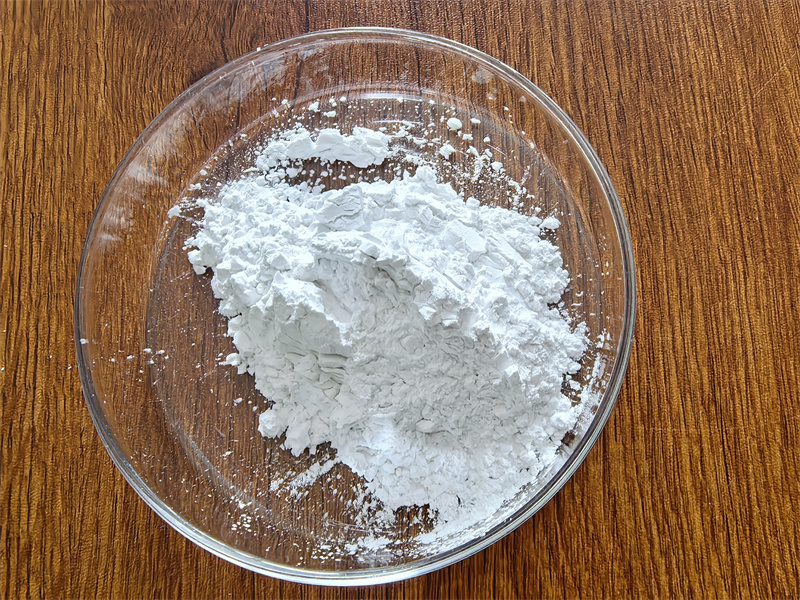
I. Plättchenförmiges Aluminiumoxid als Präzisionspoliermittel für die Tiefenbearbeitung von Glas
1. Geeignetes Glas
1) Deckglas für Unterhaltungselektronik: gehärtetes High-Alumina-Silizium-Deckglas für Mobiltelefone, Tablets und Smartwatches; 3D-gebogenes Glas; Kameraschutzlinsen.
2) Optisches Glas : Brillengläser, Prismen, Linsen, Infrarot-Fenster, Quarzglas, Kristallglas;
3) Displaysubstratglas : TFT-LCD-Flüssigkristallsubstrat, Displayglasgehäuse, ultradünnes LCD-Flachglas;
4) Spezialglas : hitzebeständiges Borosilikatglas, piezoelektrisches Kristallglas, Sichtfensterglas für die Luft- und Raumfahrt.
2. Einzigartige Vorteile von plättchenförmigem Aluminiumoxid
1. Geringe Kratzer, hochglänzende Oberfläche : Flache Partikel werden plan auf die Glasoberfläche aufgebracht und haften dort, hauptsächlich durch Gleitschleifen. Die Schleifkraft ist gleichmäßig, wodurch nur wenige scharfe Kanten und Ecken sowie sehr wenige tiefe Kratzer entstehen. Die Oberflächenrauheit des Glases kann auf den Nanometerbereich reduziert werden, was die Durchschliffrate deutlich erhöht. Dies gleicht die Nachteile der unzureichenden Schleifkraft von Ceroxid-Polierpulver aus und wird häufig in Kombination mit Ceroxid für Feinpolierarbeiten eingesetzt.
2. Hohe Schleifleistung, lange Pulverlebensdauer : Die Partikel brechen nicht leicht, gute Schnittstabilität, kann zum Grobschleifen zum Entfernen von Werkzeugspuren und auch zum Feinpolieren verwendet werden; gute Suspension, gleichmäßige Suspensionsverteilung, geeignet für vollautomatische kontinuierliche Polierproduktionslinien.
3. Härte des Glasmaterials : Mohs-Härte 9, wodurch Oberflächenfehler von Silikatglas schnell entfernt werden können, ohne die Glasoberfläche übermäßig zu ätzen. Dadurch eignet es sich besonders für die Bearbeitung ultradünner Substrate und dünner Deckgläser.
3. Prozessszenarien
Rough grinding / fine grinding: double-sided grinding of flat glass, CNC finishing of curved glass;
Chemical mechanical polishing (CMP): Ultraplanarization treatment of liquid crystal substrates and optical lenses
Final polishing: Matte/glossy polishing of mobile phone glass back covers and lens elements.
II. Modification of Special Glass Body Using platelet Alumina as Raw Material
1. Application of platelet alumina in aluminosilicate cover glass and high-alumina glass
Platelet alumina is used as the raw material for glass melting
1. Platelet alumina grains melt at a more uniform rate, reducing glass melt streaks, bubbles, and crystallization defects, thus improving glass homogeneity;
2. Platelet alumina acts as a network intermediate, forming aluminum-oxygen tetrahedra, which significantly improves the hardness, bending strength, and chemical corrosion resistance of glass, and enhances the chemical tempering effect;
3. Platelet alumina reduces the coefficient of thermal expansion of glass, increases the strain point, and improves thermal shock resistance, making it suitable for high-end cover glass formulations.
2. Platelet alumina as a nucleating agent and filler for microcrystalline glass (glass-ceramic)
Platelet alumina can be used as a plate-like crystal phase inducer: it induces the formation of plate-like crystals inside glass-ceramics, thereby toughening the glass-ceramics and improving their bending strength and wear resistance. It is used in architectural decorative glass-ceramics and electronic packaging glass-ceramics.
3. Platelet alumina for glass surface optical coating and pearlescent effect substrate
1. Glass pearlescent decorative coating Highly flat and defect-free platelet alumina is used as the base material of pearlescent pigments. It is coated with metal oxide and then coated on the surface of decorative glass and art glass to form a high-gloss pearlescent and phantom interference effect. It can replace natural mica flakes. It is resistant to high temperatures, acids and alkali, and will not fade after long-term use.
2. Glass anti-glare and diffuse reflection coating filler: Platelet alumina flake particles are arranged in parallel to form a uniform microstructure, enabling tempered glass and shop window glass to achieve soft diffuse reflection, reduce mirror glare, and improve the coating’s wear resistance.
IV. Auxiliary materials for glass production – Platelet alumina
1. Bonded abrasive fillers for glass edging and drilling: Resin grinding wheels made of platelet alumina are less prone to chipping when grinding glass edges;
2. Glass cleaning and grinding media: Platelet alumina finely graded flat micro powder is used for ultrasonic grinding and cleaning to remove dust and tiny stains from the glass surface.
V. Spezifikationen des von Haixu Abrasives hergestellten plättchenförmigen Aluminiumoxids
Chemische Zusammensetzung
| Al2O3 | >99,0 % |
| SiO 2 | <0,2 % |
| Fe2O3 | <0,1 % |
| Na₂O | <1% |
Physikalische Eigenschaften
| Mohs-Härte | 9.0 |
| Spezifisches Gewicht | >3,9 g/ cm³ |
| Aussehen | Plattenform |
Partikelgrößenverteilung (PSD)
| Streugut | D0(um) | D3(um) | D50 (eins) | D94(um) |
| #400/A40 | <77,6 | 39,0-44,6 | 27,7-31,7 | 18,0–20,0 |
| #500/A35 | <64,2 | 35,4-39,8 | 23,8-27,2 | 15,0-17,0 |
| #600/A30 | <50,4 | 28.1-32.3 | 19.2-22.3 | 13.4-15.6 |
| #700/A25 | <40,1 | 24.4-28.2 | 16.1-18.7 | 9,6-11,2 |
| #800/A20 | <32,0 | 20.9-24.1 | 13.1-15.3 | 8,2-9,8 |
| #1200/A15 | <25,2 | 14,8-17,2 | 9,4-11,0 | 5,8-6,8 |
| #1500/A12 | <20,3 | 11,8-13,8 | 7,6-8,8 | 4,5-5,3 |
| #2000/A9 | <16,3 | 8,9-10,5 | 5,9-6,9 | 3.3-3.9 |
| #3000/A5 | <12,5 | 6,6-7,8 | 4.3-5.1 | 2,55-3,05 |
| #4000/A3 | <10,0 | 4,8-5,6 | 2,8-3,4 | 1,5-2,1 |


